Remembering the Women Before Us: Insights from a Wisdom Circle
December 8, 2025
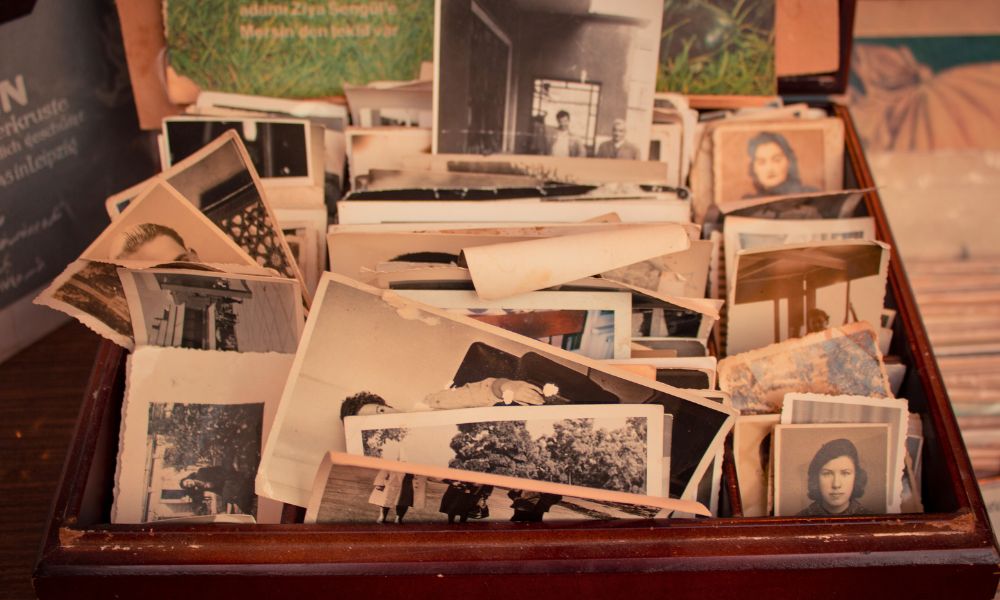
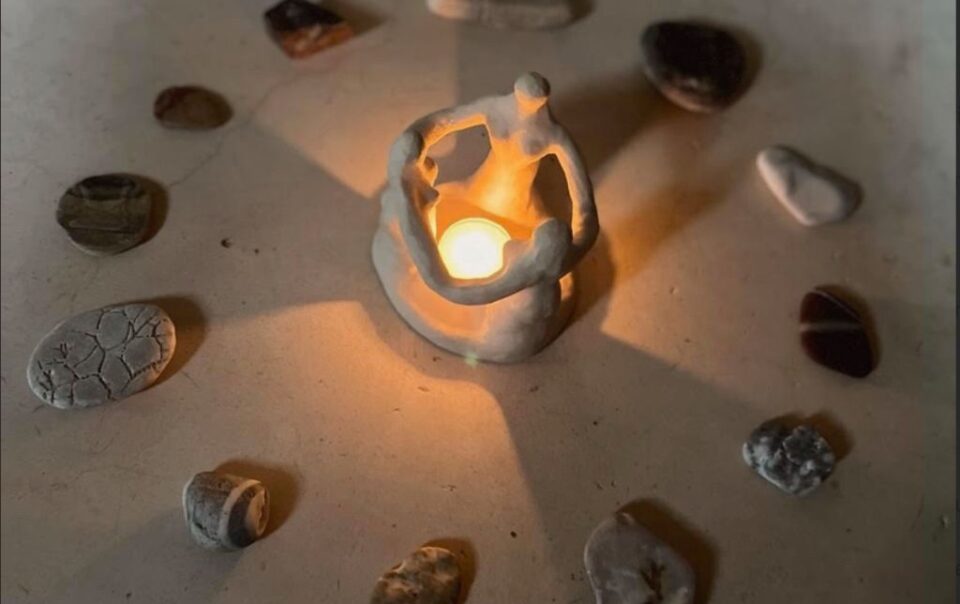
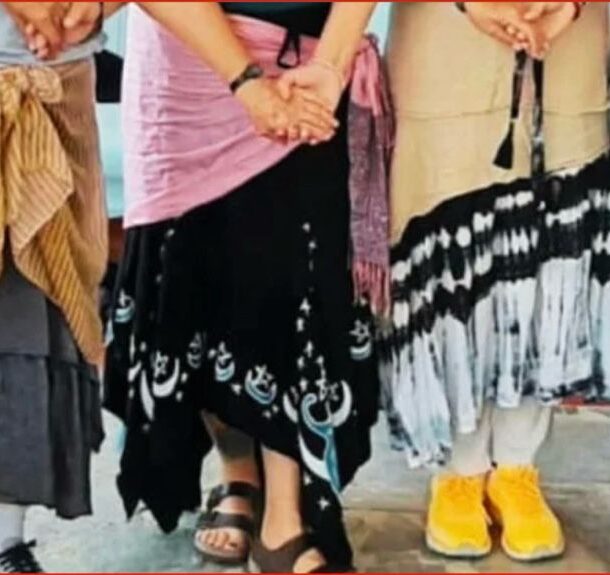
Recently, I took part in a Wisdom Circle where we were invited to speak the names of the women from our maternal line, one after another, moving backwards through time. Mother, grandmother, great grandmother, and further still, until the women whose names have already faded from memory yet remain present in the quiet architecture of our lives re-emerge in our conscious awareness. As each name was spoken, we were encouraged to offer a simple gesture of honour and gratitude.
The exercise was brief, but something in it opened a door. Saying their names aloud brought an unexpected sense of depth, as if a lineage that usually rests below awareness momentarily stepped forward. It made me realise how often we overlook the influence of our ancestry, not because it is irrelevant, but because we rarely pause long enough to sense the ways it continues to shape us.
This experience led me to reflect on how much of what we carry is not consciously chosen. Modern trauma research confirms what many traditional cultures understood intuitively: the emotional imprints of earlier generations can be passed down quietly, without explicit stories. We may inherit tensions, instinctive reactions, or patterns of behaviour that feel personal yet originate much earlier. The body often holds what the mind has never been told.
Considering this in the context of my own lineage, I began to see how such unconscious influences might appear in daily life; in the way we work, the way we rest, and the way we relate to others. Our responses to situations in our own lives are shaped not only by our individual experiences but also by the unresolved histories of those who lived before us. Even without knowing the specific details, we may find ourselves echoing strategies that once ensured survival for our ancestors.
Recognizing this does not diminish our individuality; it adds another layer to it. We begin to see ourselves not as isolated beginnings but as part of a continuous thread, one that extends long behind us and will continue beyond us. This perspective offers more clarity rather than confinement. When something that once felt personal is understood within this woven continuity, our relationship to it often shifts. There is more room inside the experience.
More breath.
What stayed with me after the circle was the simplicity of the practice. It did not require detailed family history or dramatic discoveries. It asked only for presence and acknowledgment. And that was enough to move something.
By honouring the women who came before us, we create space to recognise the influences we carry unconsciously. In doing so, we open the possibility of meeting those influences with insight and gentleness rather than confusion.
As I left the circle that day, one truth continued to unfold in me: we are not only individuals. We are strands in a larger weave. We are part of a thread that began long before us, shaped by hands we have never touched yet whose movement still echoes in our own lives. Turning toward the women who came before, thanking them, bowing gently to their stories, allows us to retrieve something essential. It gives us a sense of place, a sense of belonging, and a quiet understanding that the path ahead becomes clearer when we honour the threads that brought us here.
My reflections are inspired by a motherline ritual that was handed down by Carol P. Christ and shared during the Wisdom Circle: Inanna’s Return – Re-Embodying Menstrual Sacrality, held in Kalyves, Crete, with guest speaker Annalisa Derr, PhD.
References:
Christ, Carol P. “Spiritual Quest and Women’s Experience.” In Womanspirit Rising: A Feminist Reader in Religion, edited by Carol P. Christ and Judith Plaskow, 228–45. San Francisco: Harper & Row, 1979.
Derr, Annalisa, PhD. Wisdom Circle: Inanna’s Return – Re-Embodying Menstrual Sacrality. Kalyves, Crete, Greece. November, 2025.
About the Author:
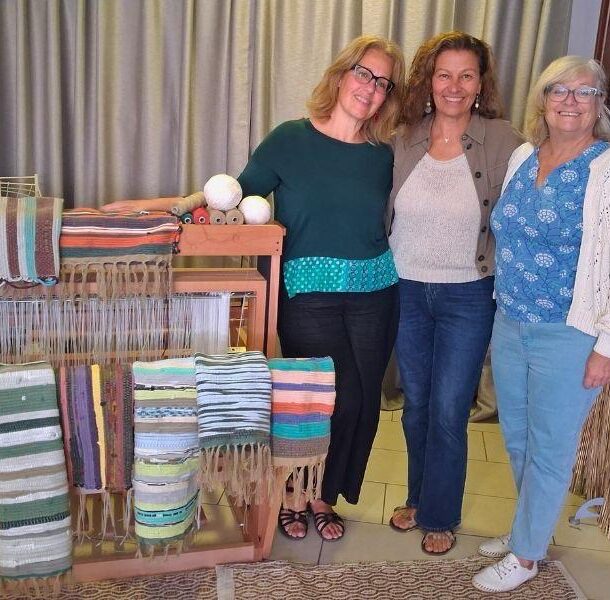
My name is Marta, I’m Sophie’s mom, and I am a proud member of the Council for the Revival of Matriarchal Arts (CRMA). My journey to Crete was a search for a new chapter in my life, and what I’ve found here has exceeded all my expectations. This island has revealed a wealth of creativity to me and allowed me to discover new talents. Today, I passionately support projects like CRMA that strengthen our community and help traditional arts, like weaving, flourish and enrich our lives for generations to come. My passion for authentic marketing is my way of expressing myself and promoting these valuable initiatives, so they can reach a wider audience and inspire more people.